
EDITOR'S CHOICE
The very best new stories for wildlife movers and groovers.
Trusted Ad Partner
Top Stories: natural History Museum to lead new National programme to digitise the UK's natural science collections
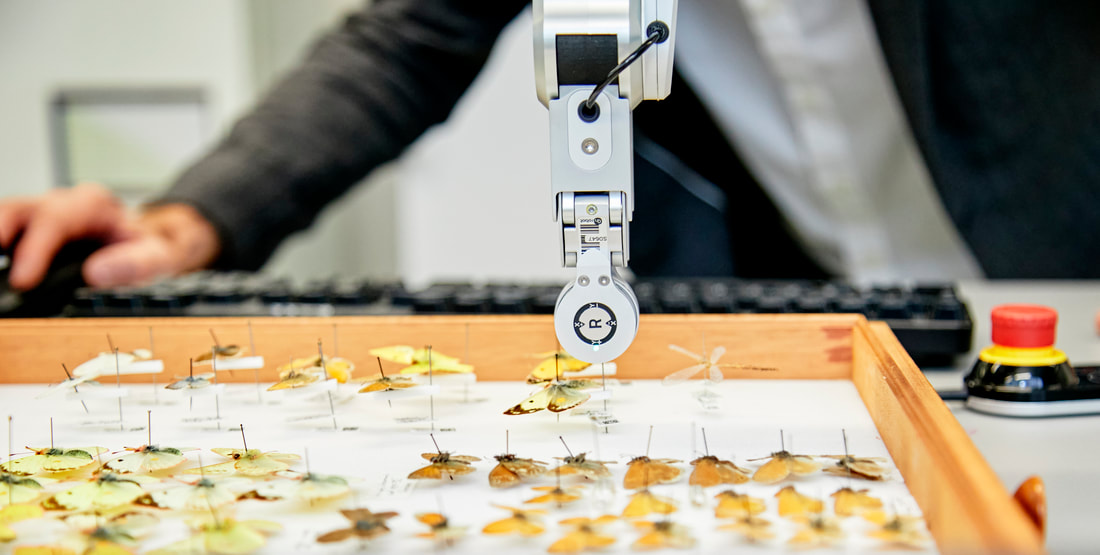
A robotic arm programmed by the Museum to test moving and imaging insect specimens. Image credit: Trustees of the Natural History Museum, London
The Secretary for State for Science, Innovation and Technology has announced that the Natural History Museum will lead a major new project, DiSSCo UK, funded by UK Research and Innovation (UKRI) to digitise a critical mass of the UK’s natural science collections.
📚 Full story >>
📚 Full story >>
Top Stories: 2023 WAS A RECORD YEAR FOR BLACK-NECKED GREBES, ONE OF THE UK'S RAREST BREEDING BIRDS
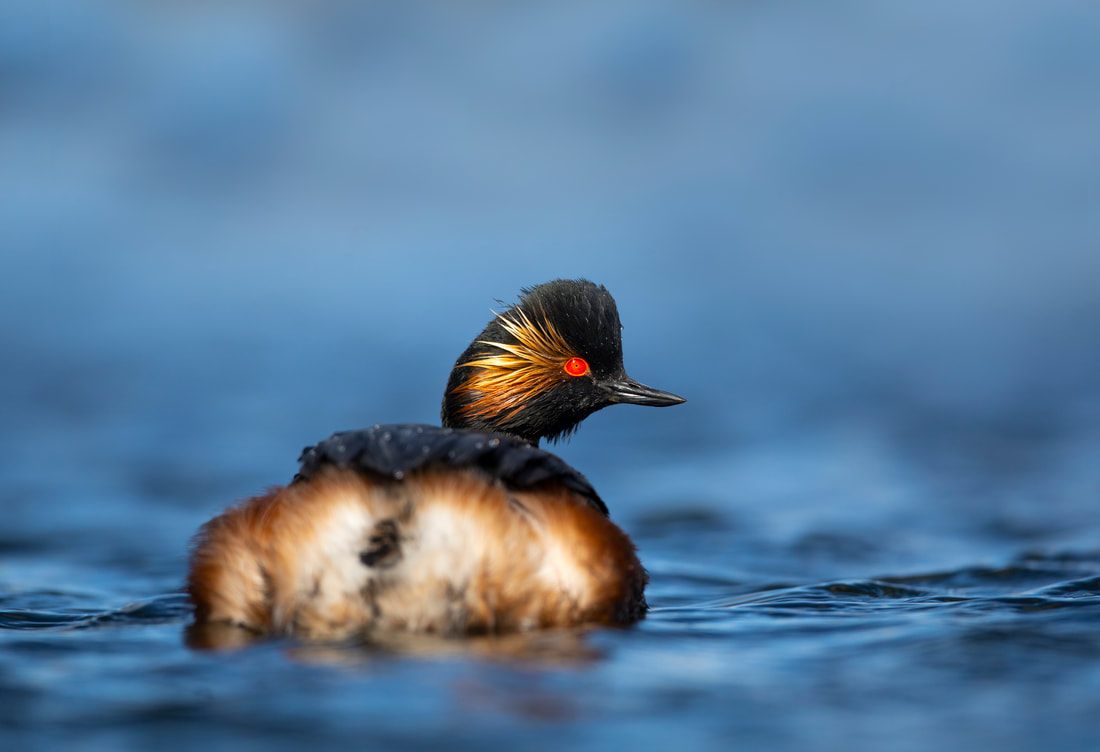
Adult Black-necked grebe by
Ben Andrew (rspb-images.com)
The spectacular, Black-necked Grebe, one of the rarest breeding birds in the UK, is dancing its way into nature lovers’ hearts following their best year on record at RSPB nature reserves.
📚 Full story >>
📚 Full story >>
Latest Gear Reviews
Here we bring you our opinion on the very best new equipment from the most respected brands for wildlife watchers.
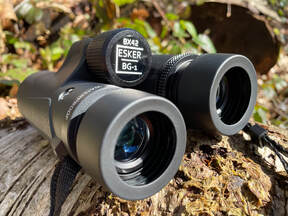
COMMUNITY PHOTO GALLERY
Have your work displayed here in our community gallery by sending us your images.

Sponsored By


LATEST NEWS, Features & Events
The latest news, features and events from the natural world.
Trusted Ad Partner
Science: FIELDWORK, SPECIMENS AND CUTTING-EDGE TECH COMBINE TO ANSWER HOW SNAKES BECAME ONE OF EVOLUTION'S BIGGEST SUCCESS STORIES
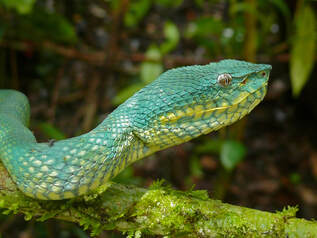
An international team of scientists have generated the largest, most comprehensive evolutionary tree of snakes and lizards to answer how snakes went from small lizards to the highly diverse and sophisticated species we see today.
📚 Read now >>
📚 Read now >>
EXHIBITIONS: NATURAL HISTORY MUSEUM ANNOUNCES MAJOR NEW EXHIBITION... BIRDS - BRILLIANT & BIZARRE
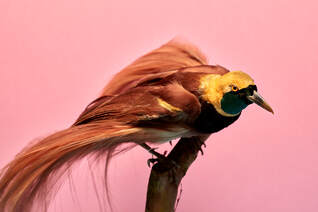
Prepare to be captivated this Spring as you discover the weird and wonderful ways in which birds have survived for over 150 million years in the Natural History Museum’s brand-new exhibition: Birds: Brilliant and Bizarre, opening 24 May.
📚 Read now >>
📚 Read now >>
NATURAL HISTORY: NEW SPECIES OF PTEROSAUR DISCOVERED ON THE ISLE OF SKYE
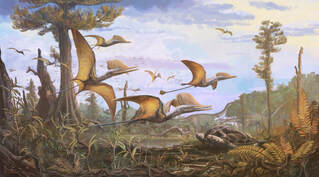
Scientists from the Natural History Museum, University of Bristol, University of Leicester, and University of Liverpool have described a new species of pterosaur from specimens found on the Isle of Skye, Scotland.
📚 Read now >>
📚 Read now >>
BIRDWATCHING: Population OF UK'S TALLEST BIRD HITS RECORD-BREAKING HIGH
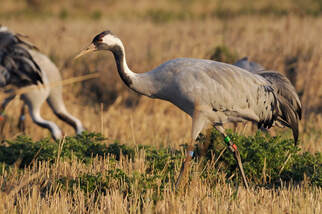
Birdwatching: Population of UK's tallest bird hits record-breaking highThe population of Common Cranes, the UK’s tallest bird, has hit a record high according to the latest breeding survey results. The species’ comeback began with the arrival of just a small number of wild birds to the Norfolk Broads. The population has continued to slowly spread, with 2023’s results building on the previous high of 72 pairs in 2021.
📚 Read now >>
📚 Read now >>
Wildlife in your garden: THE WORLD'S LARGEST GARDEN WILDLIFE SURVEY successfully RETURNed in January
The world’s largest garden wildlife survey, Big Garden Birdwatch, returned last month. For the past 45 years, hundreds of thousands of people have volunteered an hour of their time to help the RSPB learn more about the birds that live in our gardens and local green spaces provide the charity with an annual snapshot of how our wild neighbours are faring.
📚 Read now >>
📚 Read now >>
CONSERVATION: FIVE REASONS TO BE OPTIMISTIC ABOUT NATURE'S RECOVERY
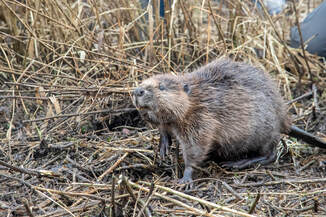
2023 saw the release of the latest State of Nature report which highlighted declines in many of the UK’s plants and animals, with nearly one in six of the more than ten thousand species assessed (16%) at risk of being lost from Great Britain. The latest global climate meeting, COP28 in Dubai, ultimately fell short of what is needed to deliver the scale of global action required to address the climate and biodiversity crises. However, despite these stark reminders of the scale of the nature and climate crises there are still reasons to be optimistic.
📚 Read now >>
📚 Read now >>
BRINGING NATURE INTO FOCUS: A CLOSER LOOK AT THE TSN-66 PROMINAR
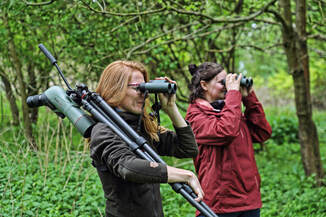
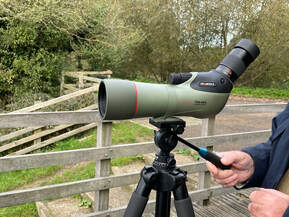
For the female nature enthusiast who finds solace and inspiration in the great outdoors, the TSN-66 Prominar 66mm Pure Fluorite Crystal Spotting Scope from Kowa is a remarkable tool that can truly elevate your nature-watching experience. Designed to capture the beauty of the natural world with precision and clarity, this spotting scope is an essential companion for those who cherish the environment and seek a deeper connection with it. In this feature, we explore the many benefits that the TSN-66 Prominar offers to nature lovers.
📚 Read now >>
📚 Read now >>
GLOBAL CONSERVATION: TINY CARIBBEAN ISLAND OF REDONDA TRANSFORMED
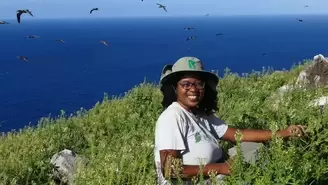
Nestled in the cerulean waters of the Caribbean Sea, Redonda, a once-desolate rocky outpost, has undergone a remarkable transformation over the past seven years. This remote and minuscule island, measuring just 1.2 square kilometers, has metamorphosed from a barren and uninhabited wasteland into a thriving wildlife haven teeming with life. The story of Redonda's regeneration serves as an inspiring testament to the power of conservation efforts, determination, and collaborative initiatives.
📚 Read now >>
📚 Read now >>
CONSERVATION: 'RATTY' MAKES A WELCOME RETURN TO CUMBRIA'S RIVERBANKS
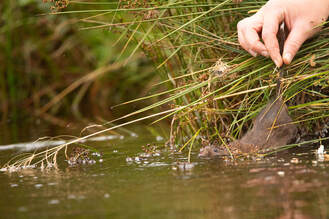
Once a common sight in our rivers, water voles have vanished from the Lake District. In a bid to re-establish this small, yet vital part of the ecosystem, environmental organisations and landowners have joined forces to create the habitat conditions needed to bring back this much-loved creature to Cumbria.
📚 Read now >>
📚 Read now >>
WILDLIFE IN YOUR GARDEN: FIVE ESSENTIAL THINGS TO LOOK FOR WHEN CHOOSING A NEST BOX FOR OUTSIDE YOUR HOME OR GARDEN
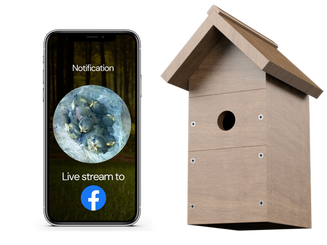
We are calling for more homeowners to put up more nest boxes for declining garden birds like House Sparrow and Starling. Here's how to help these little guys out and what to look for.
📚 Read now >>
📚 Read now >>
Photography & film: Chris Fallows speaks to Wildlife-Watchers.com about his love for the ocean and white sharks
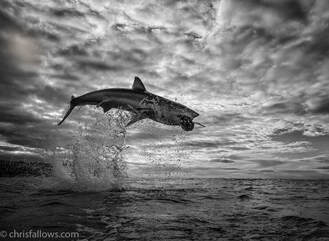
Renowned Fine Art Wildlife Photographer and friend of Wildlife-Watchers.com Chris Fallows' magnificent images of Great White Sharks have been leaving audiences open-mouthed recently.
🎙 Listen now >>
🎙 Listen now >>
PHOTOGRAPHY & FILM: LEARN HOW TO DIGISCOPE AND PHONESCOPE WITH KOWA'S UNIQUE, SPOTTING SCOPE SYSTEM
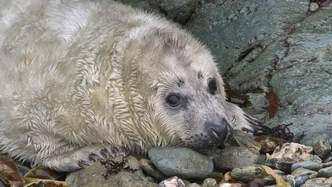
Many of you will have invested in new equipment to enjoy your existing or maybe, new, hobby of wildlife watching and will be thinking what to do when it comes to things like Digiscoping or Phonescoping for example. Thus, making sure you are recording memories of all the amazing sights and sounds you are witnessing. Here are a few pointers...
🎥 Watch now >>
🎥 Watch now >>
Latest gear REVIEWs: SWAROVSKI OPTIK CL CURIO 7x21 BINOCULARS
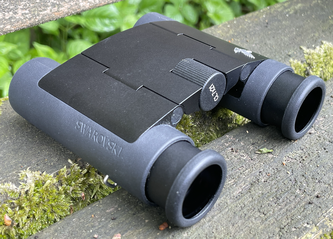
Swarovski Optik recently sent us their newest product in the CL family of binoculars, the foldable and compact CL Curio 7x21 Binoculars.
📚 Read now >>
📚 Read now >>
CONSERVATION: RAILWAY STATIONS TO BE TRANSFORMED INTO HUBS FOR WILDLIFE
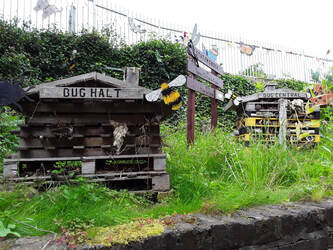
Key railway stations throughout England, will be transformed into hubs for wildlife thanks to an exciting new partnership between the RSPB and South Western Railway (SWR). Through steps such as planting wildflowers, cutting holes in fences for ‘hedgehog highways’ and putting up nestboxes, the stations will act as refuges for wildlife in trouble.
📚 Read now >>
📚 Read now >>
LATEST GEAR REVIEWS: VIKING OPTICAL BADGER 8x42 BINOCULARS
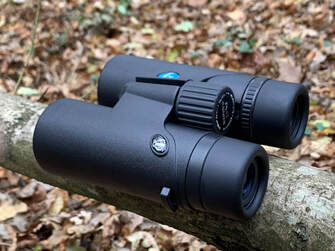
In 2021 Viking Optical released their new budget range of binoculars. Priced at sub £100 and designed for the casual wildlife watcher in mind, Dave R took a look at the Badger binocular range that could be in many people's price bracket.
📚 Read now >>
📚 Read now >>
GEAR & TECHNOLOGY: SMARTOSCOPE VARIO UNIVERSAL ADAPTEr
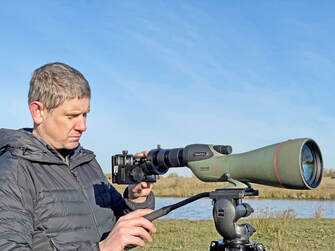
The all-new SMARTOSCOPE VARIO universal Digiscoping adapter has recently been launched into specialist UK optics dealers everywhere and could be a game changer for Digiscopers.
📚 Read now >>
📚 Read now >>
CONSERVATION: EXTENSIVE SURVEY OF CHANNEL ISLANDS DISCOVERS SEVERAL NEW BAT SPECIES ON GUERNSEY
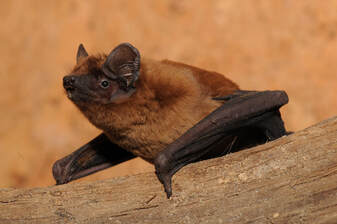
An extensive bat survey carried out by citizen scientists in the Bailiwick of Guernsey using remote automated recorders has found several new species of bat and a new species of bush-cricket for the islands of Guernsey, Alderney, Herm and Sark.
📚 Read now >>
📚 Read now >>
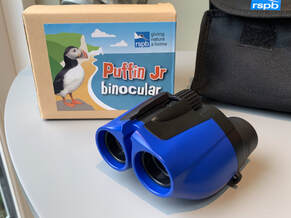
LATEST GEAR REVIEWS: RSPB Puffin Jr 8x21 Binoculars For Children Aged 7-12 Years Old

As a starter kit for young wildlife watchers, the Puffin Jr's are superb value for money and pretty much, perfect.
📚 Read now >>
📚 Read now >>
LATEST GEAR REVIEWS: Bushnell Engage EDX 8x42 Binoculars
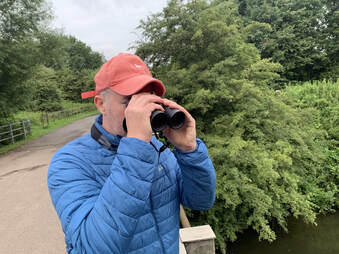
Founded in 1948, Bushnell have been learning their optical craft for a long time. Our first Bushnell binoculars test on Wildlife24/7 comes in the form of the popular Engage EDX.
📚 Read now >>
📚 Read now >>
gear & Technology: Lowepro continues their legacy of innovation with new green line label collection made from 75% recycled fabrics
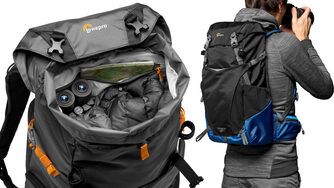
Lowepro, a company with a 50-year reputation of creating protective gear-carrying solutions for adventure photographers, content creators, explorers and wildlife enthusiasts have taken their first steps toward sustainable products with the introduction of their green line label.
📚 Read now >>
📚 Read now >>
PHOTOGRAPHY & FILM: a short film called 'The fox and the allotment'
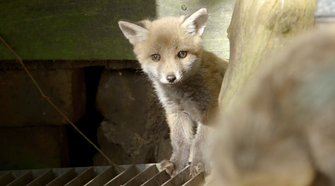
In the heart of Edinburgh, a fox family has found a quiet sanctuary in a beautiful allotment. Living in harmony with the close-knit allotment community, these foxes live a carefree wild city life.
🎥 Watch now >>
🎥 Watch now >>
Wildlife art: Louise Miller creates limited edition prints to help lemurs
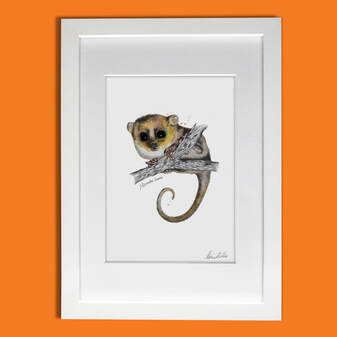
Whilst most of us will recognise Madagascar’s famous ring tailed lemurs, it’s one of the island’s lesser known species that is the subject for this limited edition print by famous artist, Louise Miller.
📚 Read now >>
📚 Read now >>
PHOTOGRAPHY & FILM: Sir David Attenborough raises awareness of wildlife decline

Sir David Attenborough has made a short film to provide answers to the State of Nature partnership’s latest warnings of continued, devastating wildlife declines in the UK.
🎥 Watch now >>
🎥 Watch now >>